
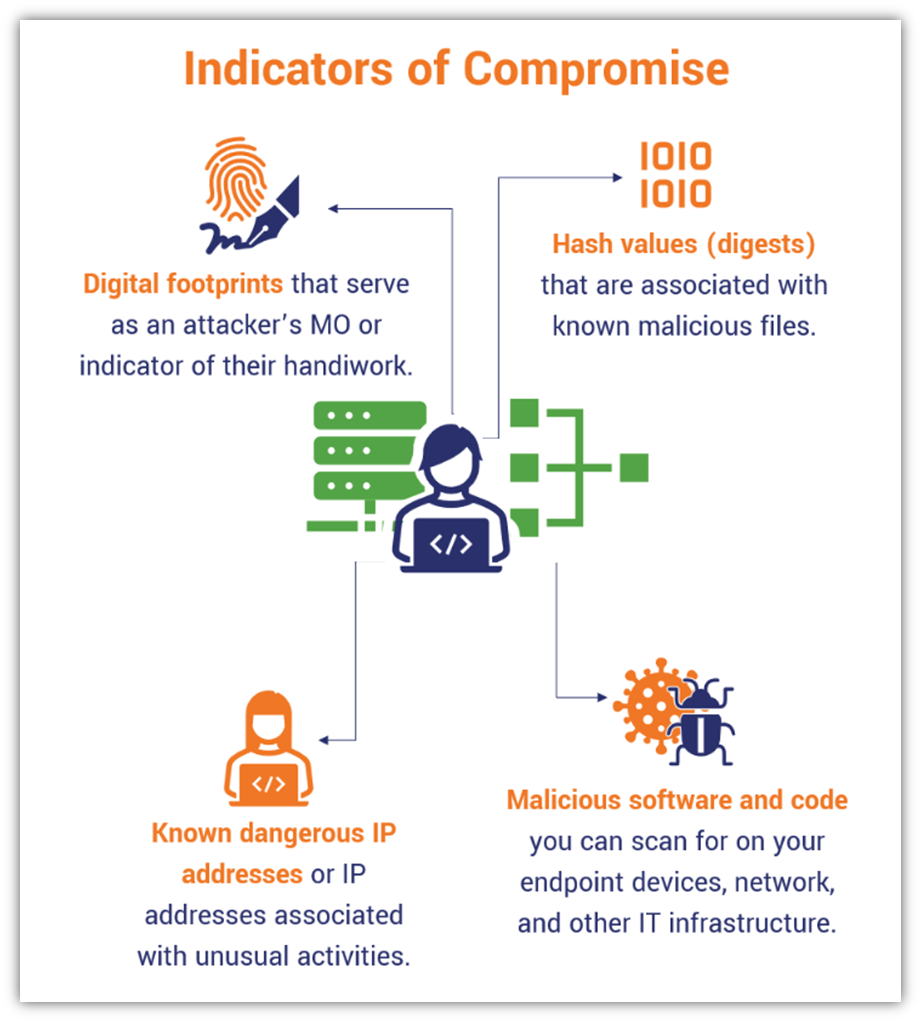
Why early indicators matter more than alerts after damage
Most organizations detect client-side attacks after fraud, chargebacks, or customer complaints occur.
By then:
- Tokens were abused
- Transactions cleared
- Trust was lost
- Damage was already done
The real challenge is not detecting attacks —
it’s detecting them early enough to stop impact.
Why Fraud Is a Lagging Indicator
Fraud detection answers:
“Did something bad already happen?”
Security detection should answer:
“Is something about to happen?”
Client-side attacks often sit quietly:
- Watching sessions
- Observing tokens
- Mapping flows
- Waiting for high-value actions
Fraud appears only at the end of the kill chain.
The Client-Side Attack Timeline
Understanding timing is critical.
Phase 1: Environment Preparation
- Script injection
- Third-party modification
- Extension interaction
- DOM hook placement
No fraud. No alerts.
Phase 2: Observation and Validation
- Tokens observed
- Requests monitored
- User behavior learned
- Limits tested quietly
Still no fraud.
Phase 3: Execution
- Payment manipulation
- Account takeover
- Privileged action abuse
- Data exfiltration
This is when fraud teams get involved — too late.
What Early Indicators Actually Look Like
Early signals are subtle and technical, not transactional.
1. Script Execution Drift
- New scripts appearing unexpectedly
- Known scripts changing behavior
- Inline execution where none existed
These changes precede abuse.
2. DOM Mutation Anomalies
- Unexpected changes to sensitive forms
- Injection near authentication or payment elements
- Event listeners added dynamically
DOM manipulation is a precursor to data theft.
3. Network Behavior Shifts
- New outbound destinations
- Unexpected use of WebSockets or beacons
- Changes in request timing patterns
Exfiltration often begins quietly.
4. Token Exposure Signals
- Unusual access to Authorization headers
- Token reuse across contexts
- Refresh flows triggered abnormally
Tokens are probed before they are abused.
Why Backend Monitoring Misses Early Indicators
Backend tools see:
- Requests
- Responses
- Logs
- Outcomes
They do not see:
- JavaScript execution
- DOM changes
- Client-side hooks
- Script behavior drift
By the time a backend alert fires, the attack has already matured.
Why CSP Violations Are Not Enough
CSP helps block known bad behavior, but:
- CSP policies drift
- Trusted domains change behavior
- Extensions bypass CSP
- Violations are often ignored
CSP violations are useful signals — not a detection strategy.
Detection Requires Browser Runtime Context
Early detection requires visibility into:
- What executes
- When it changes
- How behavior deviates
- Where data flows originate
This context only exists in the browser runtime.
How BreachFin Enables Pre-Fraud Detection
BreachFin is designed to surface pre-incident signals.
BreachFin detects:
- Unauthorized script changes
- DOM manipulation anomalies
- Execution pattern drift
- Risky client-side behavior
This allows security teams to:
- Intervene early
- Block or isolate affected flows
- Investigate before impact
- Prevent fraud instead of responding to it
Why This Changes Incident Response
Traditional incident response starts after damage.
Pre-fraud detection enables:
- Shorter dwell time
- Smaller blast radius
- Clear root cause analysis
- Stronger audit evidence
It shifts security from reactive to preventative.
The Compliance Advantage
Early detection aligns with:
- PCI DSS 4.0 intent
- Continuous monitoring expectations
- Demonstrable control effectiveness
- Reduced audit friction
Auditors increasingly expect proof of detection, not just prevention.
Final Takeaway
Client-side attacks are quiet before they are costly.
If your detection strategy relies on:
- Fraud alerts
- Chargebacks
- Backend anomalies
You are reacting to the final stage of the attack.
The real opportunity is earlier —
in the small, technical signals that appear before fraud happens.
Seeing those signals requires browser-level visibility.
That is where BreachFin delivers its greatest value.