
And why most modern breaches happen after authentication
For years, security architectures have been built around a single assumption:
If the backend is secure, the application is secure.
That assumption is no longer true.
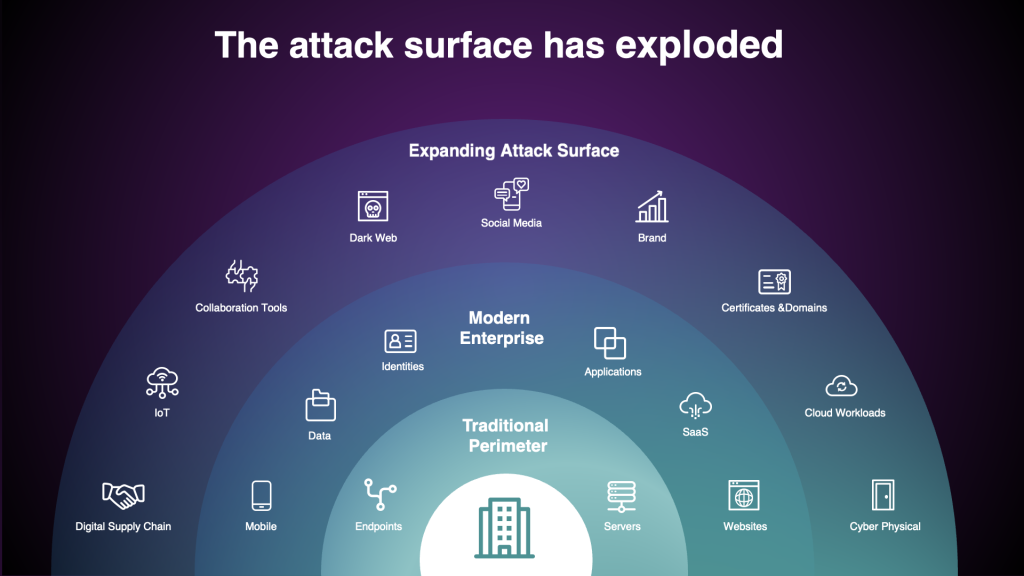
Today’s most damaging attacks do not break authentication, bypass WAFs, or exploit backend vulnerabilities. They operate inside the browser, after authentication is complete, using valid sessions, real users, and legitimate traffic.
This is why backend security tools increasingly fail to detect modern attacks.
The Modern Web Execution Reality
Modern applications are no longer simple server-rendered pages. They are:
- JavaScript-heavy single-page applications (SPAs)
- Dependent on dozens of third-party scripts
- Executing sensitive logic in the browser
- Holding authentication state client-side (JWTs, session cookies)
From a backend perspective, everything looks normal.
From a security perspective, everything is exposed.
Where Backend Visibility Ends
Backend security tools are excellent at detecting:
- Malicious payloads
- Unauthorized requests
- Broken authentication
- Invalid tokens
- Known exploit patterns
They are blind to:
- What JavaScript actually runs in the browser
- How scripts change over time
- Whether a third-party script was modified
- If a token is accessed by injected code
- If a legitimate session is being abused client-side
Once a request reaches the backend with a valid token, most defenses stop questioning it.
The Browser Is a Hostile Environment
Security teams often treat the browser as a trusted client. In reality, it is the largest untrusted execution surface in the stack.
Consider what runs in a typical production page:
- Analytics
- Tag managers
- A/B testing tools
- Chat widgets
- Marketing pixels
- Payment libraries
- Browser extensions
Any one of these can be compromised — without changing your backend at all.
The Most Dangerous Attacks Look Legitimate
Browser-based attacks share a critical trait:
They generate valid traffic.
- Real users
- Real sessions
- Real devices
- Real tokens
- Real IP addresses
From the backend’s point of view:
- Authentication succeeded
- Authorization checks passed
- Requests are well-formed
- Rate limits are respected
There is nothing to block.
This is why many organizations only discover breaches after fraud occurs.
Why WAFs and API Gateways Miss These Attacks
WAFs and API gateways operate at the request boundary. They analyze:
- Headers
- Payloads
- IP reputation
- Request rates
They do not see:
- DOM manipulation
- Script injection
- JavaScript runtime behavior
- Token access inside the browser
- Supply chain script drift
By the time traffic reaches the WAF, the compromise has already happened.
Authentication Is Not the End of the Kill Chain
Most security controls are built around preventing unauthorized access.
Modern attacks assume access already exists.
Attackers no longer ask:
“How do I log in?”
They ask:
“What can I do after the user logs in?”
This shift fundamentally breaks backend-only security models.
The Client-Side Supply Chain Problem
Third-party scripts are trusted by default, yet:
- They execute with the same privileges as your code
- They can access the DOM
- They can hook network requests
- They can observe sensitive flows
When one script changes, the backend sees nothing — but the browser behavior changes completely.
This is the root cause of many large-scale client-side breaches.
Why Point-in-Time Security Fails
Even when organizations scan their sites:
- Scans are periodic
- Attacks are continuous
- Scripts change between scans
- Injection happens at runtime
A clean scan result does not mean a clean execution environment.
This is a fundamental mismatch between modern threats and legacy security models.
How BreachFin Closes the Visibility Gap
BreachFin focuses on the layer where backend security has no visibility: the browser runtime.
BreachFin provides:
- Visibility into client-side script execution
- Detection of unauthorized script changes
- Monitoring of DOM and execution drift
- Early indicators of browser-side compromise
This allows security teams to detect attacks before tokens are abused and fraud occurs.
Not after.
Why This Matters for Compliance
Modern compliance frameworks now recognize browser-side risk:
- PCI DSS 4.0 explicitly addresses client-side tampering
- Auditors expect continuous detection, not snapshots
- Passing an audit does not prevent runtime compromise
Backend controls alone no longer meet the intent of modern security requirements.
Final Takeaway
Backend security is necessary.
It is no longer sufficient.
The most dangerous attacks today:
- Do not break authentication
- Do not trigger WAF rules
- Do not look malicious
- Do not violate backend controls
They execute silently in the browser, using valid access.
If your security strategy stops at the backend,
you are blind to where modern attacks actually happen.
That is the gap BreachFin was built to close.