Introduction
Most cyberattacks don’t begin with sophisticated malware or zero-day exploits. They begin with simple mistakes.
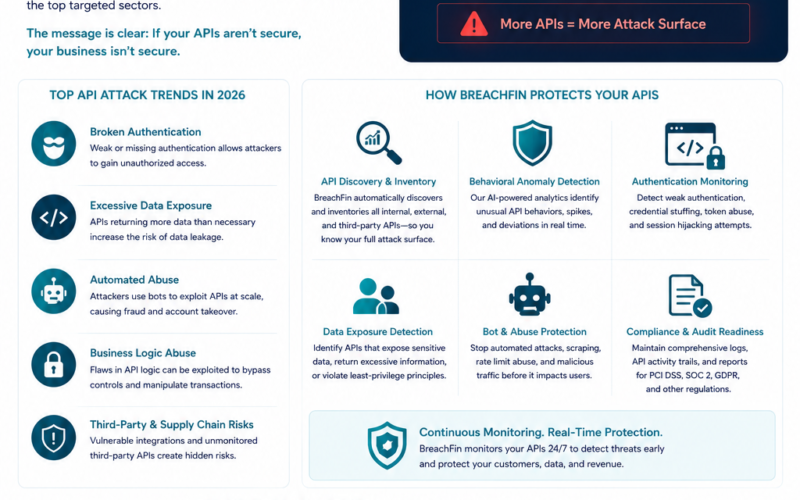
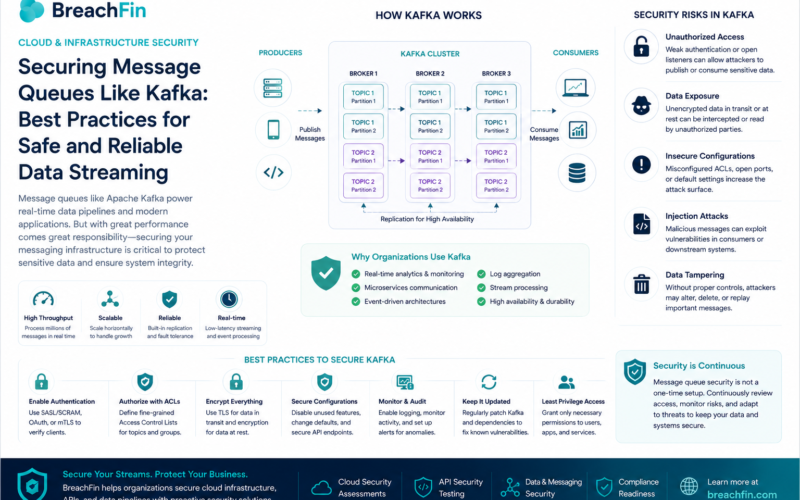
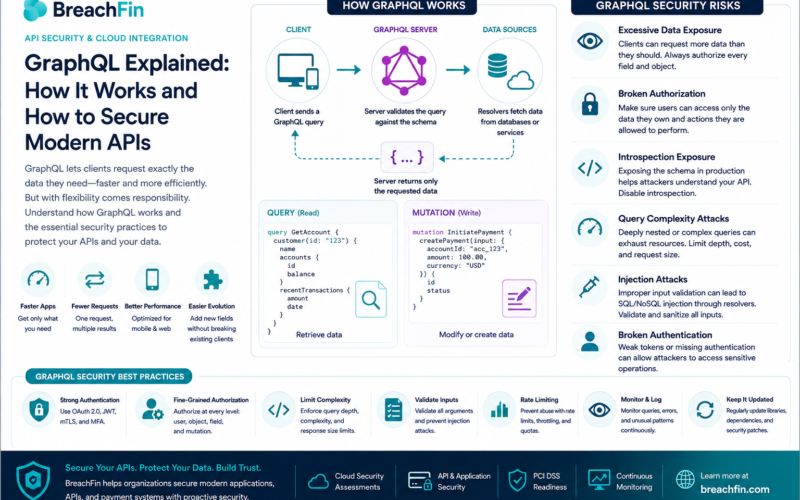
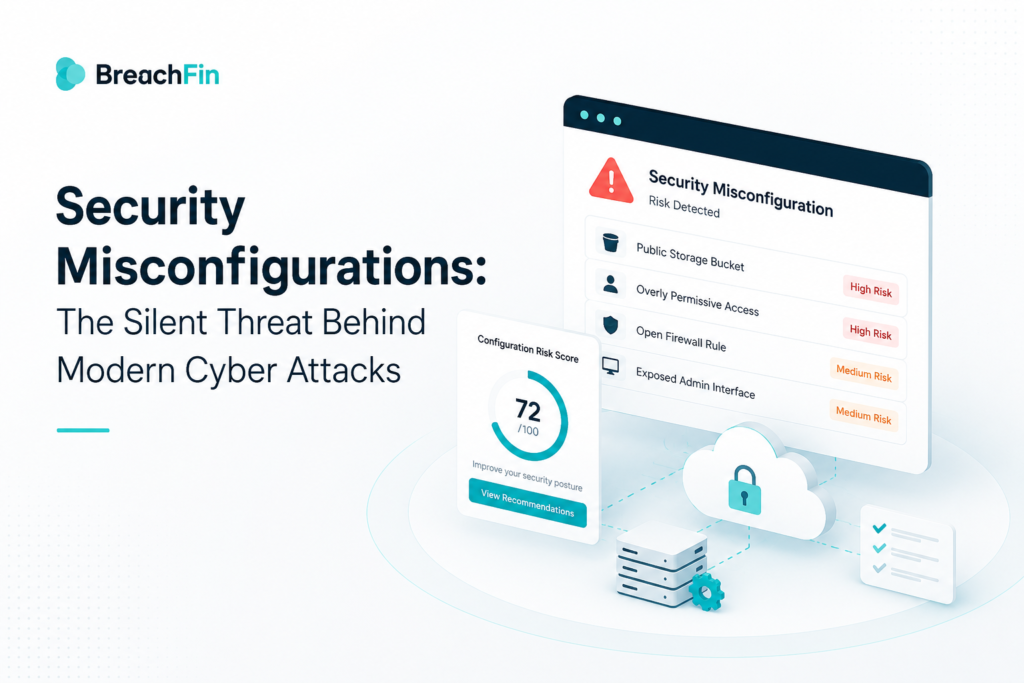
A misconfigured cloud storage bucket, an overly permissive firewall rule, forgotten administrative access, or excessive user permissions can expose critical systems without anyone noticing. These issues often remain hidden until attackers discover them.
Why Misconfigurations Matter
Modern organizations rely on cloud services, APIs, SaaS platforms, and third-party integrations. As environments grow, maintaining secure configurations becomes increasingly challenging.
Common security misconfigurations include:
- Publicly exposed cloud storage
- Weak or default credentials
- Overly permissive IAM roles
- Open management interfaces
- Missing security headers
- Unused services left enabled
- Poor API access controls
Even a single configuration error can create an opportunity for attackers.
Best Practices
Organizations can reduce configuration risk by:
- Applying the principle of least privilege
- Regularly reviewing cloud and firewall configurations
- Removing unused services and accounts
- Continuously monitoring configuration changes
- Automating security baseline checks
- Conducting regular security assessments
Security is not a one-time setup it requires continuous validation as environments evolve.
How BreachFin Helps
BreachFin provides continuous visibility across cloud environments, web applications, and integrations to help security teams identify configuration risks before they become security incidents. By monitoring changes over time, organizations can strengthen their security posture and improve compliance readiness.